
Investor Guides / Deal Fit & Lending Criteria
How to Know If a Florida Investment Property Fits Private Money
Not every Florida investment property fits private money. The first question is whether the property type, borrower use, investment strategy, and exit path fit the lender’s box.
- Florida property
- Non-owner-occupied use
- 1–4 unit residential asset
- Investor-owned or investor-use scenario
- Fix & Flip, Bridge, or Transitional Rental strategy
Start With the Lending Box
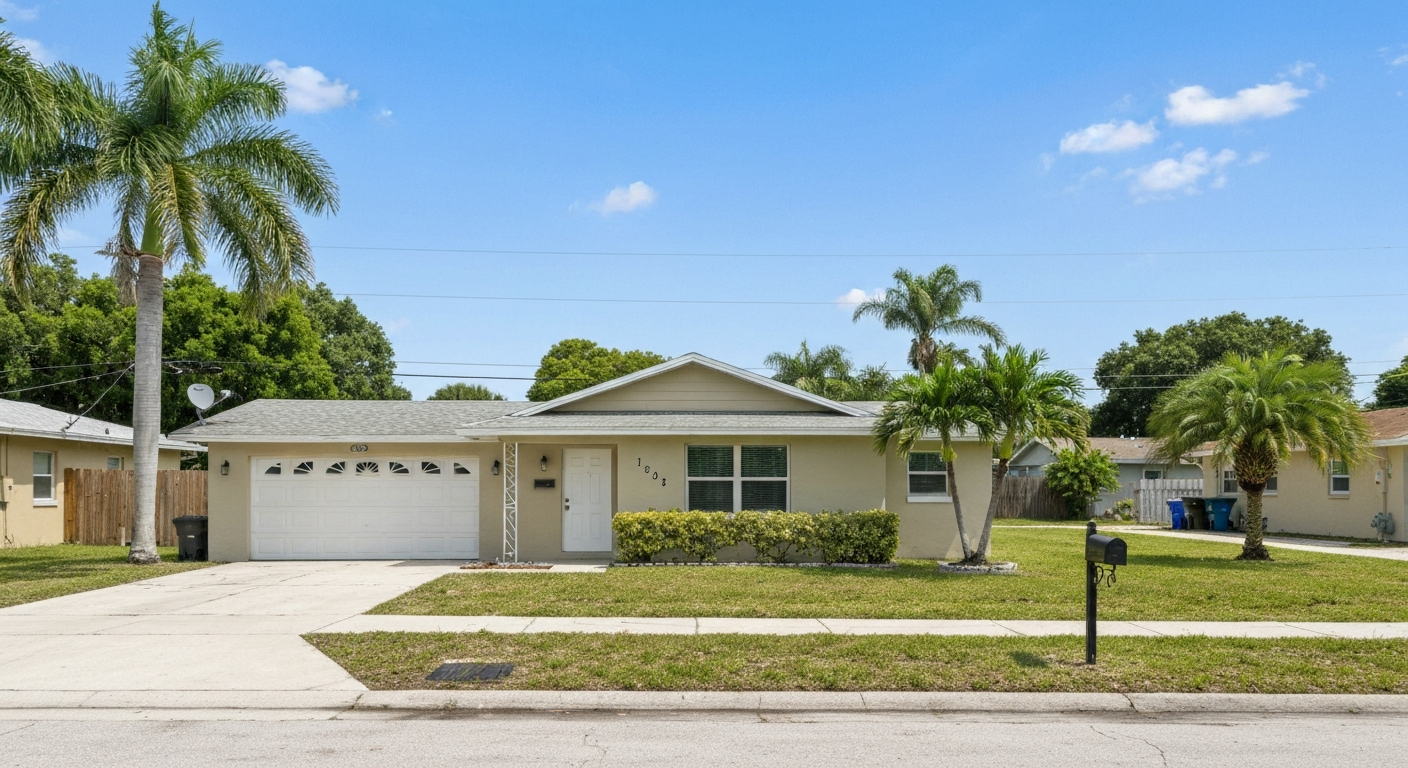
A strong deal starts with fit. Anchor works with Florida real estate investors seeking financing for non-owner-occupied 1–4 unit residential investment properties. The core programs are Fix & Flip Loans, Bridge Loans, and Transitional Rental Loans.
- Is the property in Florida?
- Is the property non-owner-occupied?
- Is it residential 1–4 unit?
- Does the deal fit an investor strategy?
Confirm the Property Type
The asset itself matters. Property types that may fit include:
- Single-family investment properties
- Duplexes
- Triplexes
- Fourplexes
The property should not be owner-occupied, a consumer home purchase, land, commercial, industrial, or large multifamily. For a broader overview, review What Properties We Fund in Florida.
Match the Property to the Right Investor Strategy
A property may be residential and still not fit every loan program.
Fix & Flip
Acquire, Improve, Resell
A Fix & Flip Loan scenario usually involves acquiring a non-owner-occupied residential property, improving it, and reselling it.
Bridge
Short-Term Transition
A Bridge Loan may fit when the investor needs short-term capital to acquire or hold a residential investment property before the next step.
Transitional Rental
Buy, Improve, Stabilize, Refinance
A Transitional Rental Loan scenario usually involves acquiring or improving a non-owner-occupied residential property before moving into longer-term rental financing.
Check the Property Condition and Project Scope
Private money is often used when a property does not fit neatly into conventional financing at the time of acquisition, but not every distressed property fits. Useful details investors should have:
- current property condition
- photos or inspection notes, if available
- planned repairs or improvements
- estimated renovation scope
- timeline expectations
- whether the project is light, moderate, or more involved
- how improvements support the exit strategy
The goal is not to make the property sound perfect. The goal is to make the deal understandable.
Know the Exit Strategy
Private money is usually short-term capital and a lender needs to understand how the loan is expected to be paid off. Common exit paths may include:
- resale after renovation
- refinance after stabilization
- sale after a bridge period
- long-term rental financing after improvements and lease-up
The exit does not need to be complicated, but it does need to be clear.
Common Fit Issues
Some deals are not a fit because the property or use case falls outside the lending box. Common issues:
- outside Florida
- owner-occupied
- land, commercial, industrial, or large multifamily
- above 4 units
- no clear investor strategy
- unclear exit path
- difficult-to-classify property type or use
- undefined project scope
- consumer mortgage financing request
These issues do not always mean the deal is bad. They may simply mean it is not the right fit for Anchor.
What to Have Ready Before You Submit
Create a practical checklist:
Submission Readiness Checklist
- Property address or market
- Property type
- Number of units
- Current occupancy or intended use
- Purchase price or estimated value
- Loan purpose
- Planned repairs or improvements
- Estimated scope of work
- Intended strategy
- Expected exit strategy
- Target timeline
- Relevant photos, if available
For the process itself, review How It Works or go directly to Submit a Deal.
How Florida Market Context Can Affect the Review
Florida is not one uniform investment market. Tampa, Jacksonville, and Miami may raise different practical questions. The specific property, numbers, project plan, and exit strategy matter more than market slogans.
When Private Money May Make Sense
Common situations:
- time-sensitive acquisition
- property needs repairs before resale or refinance
- short-term bridge need
- buy-improve-stabilize-refinance rental strategy
- value-add residential investment property
- need to confirm lender fit clearly
Private money is not automatically the right answer.
Simple Fit Check
- Is the property in Florida?
- Is the property non-owner-occupied?
- Is it a 1–4 unit residential property?
- Is there a defined investor strategy?
- Is the exit strategy clear?
- Are the basic deal details ready?
If those pieces are in place, the deal may be worth submitting for review.
Frequently Asked Questions
Related Investor Guides
Common Reasons a Florida Investment Deal May Not Fit a Private Lender
Review common wrong-fit issues before spending time on a submission.
What Slows Down a Private Money Loan Submission?
Learn what creates back-and-forth and how to make a submission easier to understand.
What to Have Ready Before Requesting Private Loan Terms
See what information helps a lender review a terms request more clearly.
Confirm Fit, Then Submit the Deal
Start with the Lending Criteria. Confirm the property type, use, strategy, and exit path. If the deal appears to fit, submit the deal with the details that help Anchor understand the opportunity.